
The Mighty Eighth Air Force Museum sits in Pooler, a suburban corridor west of Savannah along Interstate 95, surrounded by a mix of chain accommodations, retail clusters, and light commercial strips. Couples visiting the museum will find that hotels in this zone prioritize convenience and car-based access over walkability or romance, making the right property choice critical to setting the tone of the stay.
What It's Like Staying Near Mighty Eighth Air Force Museum
The area around the Mighty Eighth Air Force Museum is suburban Pooler and Port Wentworth - a wide, highway-oriented zone where nearly everything requires a car. There are no pedestrian-friendly corridors connecting hotels to the museum, so couples should factor in driving time rather than walking distance. The museum itself is a standalone destination in a low-density district, meaning nights here are quiet, traffic dissipates early, and the atmosphere is calm rather than lively. Couples who want Savannah's famous Historic District ambiance will need to drive around 20 minutes east, but those focused on the museum experience or using Savannah as a transit point will find the area genuinely low-stress and easy to navigate off I-95.
Pros:
- No urban noise or foot traffic - evenings near the museum corridor are noticeably quiet
- Easy car access to both the museum and Savannah's Historic District via I-95 and I-16
- Hotels in this zone consistently offer free parking, removing a common city-stay friction point
Cons:
- Zero walkability from hotels to the museum - a car is non-negotiable
- The surrounding area lacks independent restaurants or romantic dining options within walking distance
- No nightlife or evening entertainment close to the museum corridor
Why Choose Couple-Friendly Hotels Near Mighty Eighth Air Force Museum
Hotels near the Mighty Eighth Air Force Museum fall primarily in the budget-to-mid-range bracket, with nightly rates running noticeably lower than Savannah's Historic District hotels. For couples, this translates into more budget available for dining, museum tickets, or day trips rather than accommodation costs. Rooms in this zone tend to be larger than comparably priced city-center options, and several properties include in-room kitchenettes - a practical advantage for couples planning multi-night stays who want to self-cater breakfasts or keep snacks and drinks without relying on room service. The trade-off is clear: you gain space and value, but sacrifice the atmospheric, cobblestone-street experience that Savannah's downtown boutique hotels deliver. Couples spending around 2 nights focused on the museum will find the value equation strongly in favor of this zone.
Pros:
- Rates significantly below Historic District hotels, with free parking included across most properties
- In-room kitchenettes available at multiple hotels - useful for couples managing meal budgets
- Quieter, low-footprint environment that suits couples prioritizing rest over nightlife
Cons:
- Properties are chain-operated with standardized décor - limited boutique or romantic ambiance
- Pool facilities, where available, are outdoor and seasonal - not accessible year-round
- Breakfast options are continental-style at best, with no on-site restaurant experience
Practical Booking & Area Strategy
The museum sits on Bourne Avenue in Pooler, directly accessible from Exit 102 off I-95. Hotels positioned along Pooler Parkway and US-80 offer the closest proximity, placing couples within a 10-minute drive of the museum entrance without highway complexity. For couples who also plan to visit Savannah's waterfront, River Street, and City Market, hotels near the I-95 and Jimmy DeLoach Parkway interchange provide the best dual-access positioning - roughly 15 minutes to the museum and 20 minutes to the Historic District. The Savannah/Hilton Head International Airport sits within 5 to 8 km of most hotels in this corridor, making it convenient for fly-in couples. Beyond the museum itself, nearby attractions include Fort Pulaski National Monument (around 40 minutes east), Tybee Island Beach (around 45 minutes), and Crosswinds Golf Course just minutes from the hotel cluster. Book at least 3 weeks ahead during the spring airshow season and major Savannah events when this corridor fills faster than expected despite its suburban character.
Best Value Stays
These properties deliver the strongest cost-to-comfort ratio for couples visiting the Mighty Eighth Air Force Museum, with practical amenities that reduce daily friction without inflating nightly rates.
-
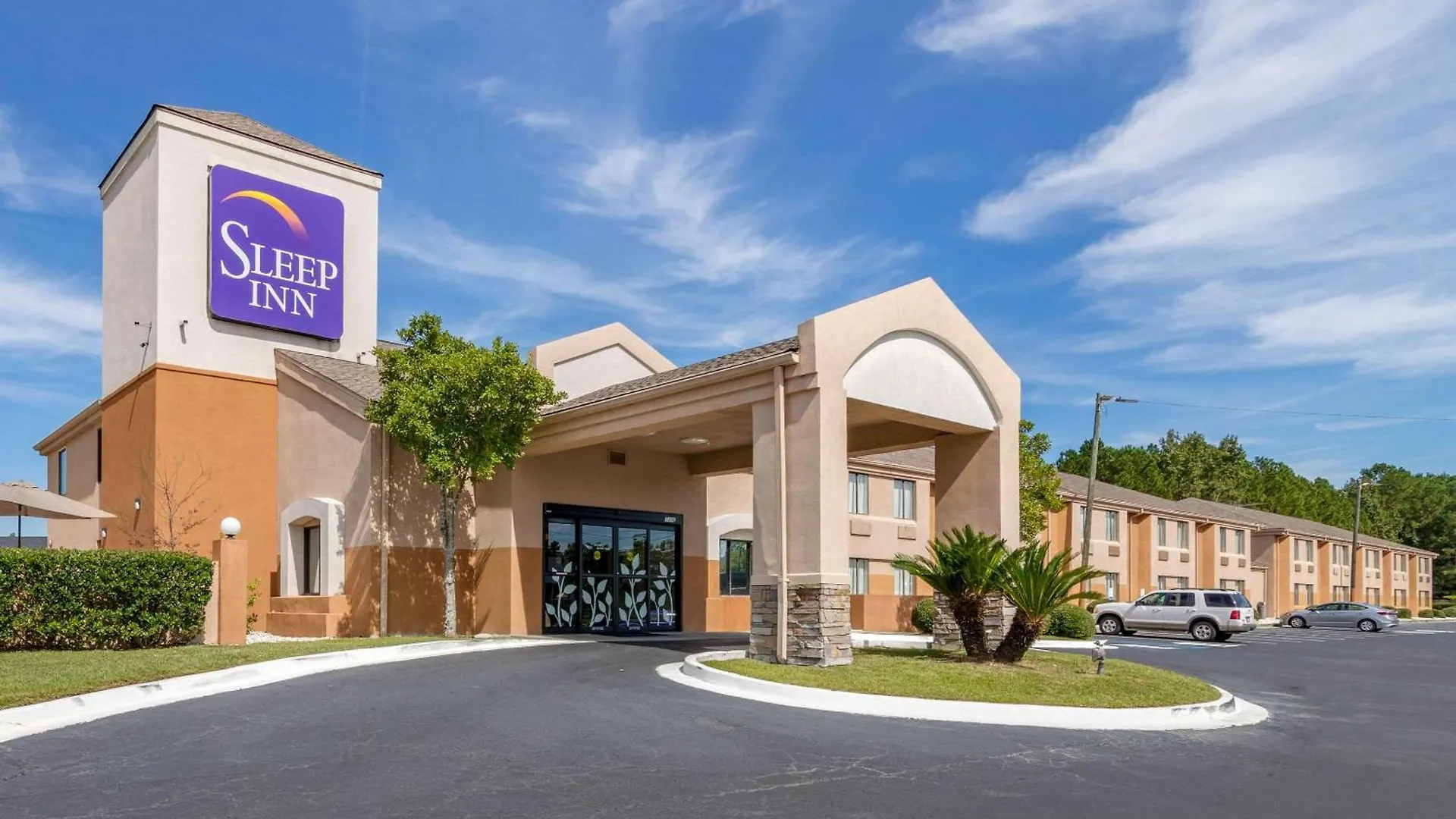
1. Sleep Inn I-95 North Savannah
Show on map


 Check-infrom 15:00 until 23:59Check-outuntil 11:00
Just a few rooms left at the best rate!
fromUS$ 72
-
2. Quality Inn Port Wentworth Savannah North
Show on map


 Check-infrom 15:00 until 23:59Check-outuntil 11:00
Just a few rooms left at the best rate!
fromUS$ 79
-
3. Woodspring Suites Savannah Pooler
Show on map


 Check-infrom 15:00 until 23:59Check-outuntil 11:00
Hurry – almost gone at this price!
fromUS$ 113
Best Premium Stay
For couples who want a step up in amenities and a more complete on-site experience near the Mighty Eighth Air Force Museum, this property offers the strongest overall package in the corridor.
-
4. Red Roof Inn & Suites Savannah Airport
Show on map


 Check-infrom 15:00 until 23:59Check-outuntil 11:00
Rooms filling fast – secure the best rate!
fromUS$ 52
Smart Travel & Timing Advice
The Mighty Eighth Air Force Museum draws its heaviest visitor numbers between March and May, when spring travel and organized group tours converge on the Pooler corridor. Hotels in this zone - while not sold out as dramatically as downtown Savannah properties during St. Patrick's Day weekend - do see rate increases of around 25% during peak spring weeks, and availability at value-tier properties tightens quickly. Book at least 3 weeks in advance for any spring visit. Summer months bring heat and humidity that make outdoor exploration less comfortable, but hotel rates often soften in July and August, rewarding flexible couples with better deals. The fall window from October through November is the strategic sweet spot: the museum is operating at full capacity, the weather is considerably cooler than summer, and hotel rates are moderate. For couples planning a combined museum-and-Savannah itinerary, 2 nights near the museum is the practical minimum - one day dedicated to the museum (which itself requires 3 to 4 hours minimum) and one day for Historic District exploration. Last-minute bookings work in January and February, when occupancy across the corridor drops and rates hit their annual low.


