
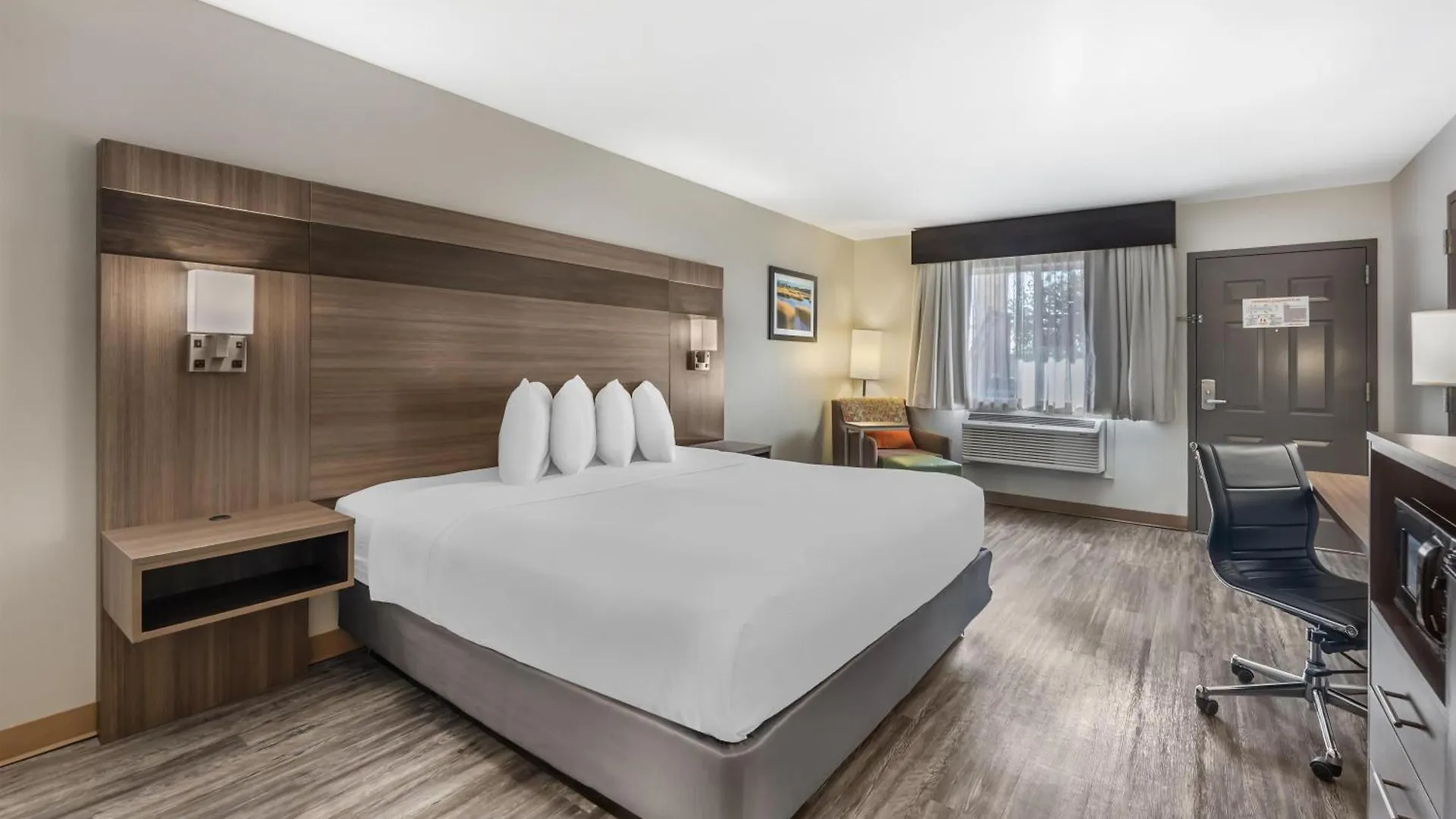
Texas spans over 268,000 square miles, and choosing where to stay matters as much as choosing the right hotel brand. Best Western Plus properties are spread across the state - from the Gulf Coast to the Hill Country, from suburban Houston to remote West Texas - giving travelers a consistent standard of amenities while keeping them close to their specific destination. This guide breaks down all 10 locations to help you match the right property to your itinerary.
What It's Like Staying in Texas
Texas is not a single destination - it is a network of distinct regions separated by long driving distances, each with its own tempo. Driving is non-negotiable in most Texas cities outside of downtown Houston or Austin, where public transit covers limited ground. San Antonio's River Walk draws the largest tourist density, while cities like Kenedy, Junction, or Big Lake operate at a much slower, locals-first pace with minimal crowds year-round.
Summers are intense, with temperatures regularly exceeding 100°F in inland areas, which makes pool access and air conditioning key booking criteria rather than optional perks. Around 80% of Texas travel is road-trip or drive-through style, meaning hotel location relative to your highway corridor matters more than walkability to attractions.
Pros:
- Enormous geographic variety - Hill Country, Gulf Coast, West Texas, and metro suburbs all within one state
- Free parking is standard across virtually all Texas hotels, eliminating a major urban travel cost
- Major airports in Houston, San Antonio, and Dallas provide strong routing options for most travel corridors
Cons:
- Driving distances between cities are substantial - Junction to Port Arthur is over 5 hours by car
- Summer heat limits outdoor exploration windows to early morning or evening in most regions
- Smaller Texas towns have limited dining and entertainment options outside the hotel itself
Why Choose Best Western Plus Hotels in Texas
Best Western Plus sits at the upper tier of the Best Western brand family, offering a step up from standard limited-service hotels without the price point of full-service chains. In Texas, this translates to properties that consistently include pools - indoor or outdoor depending on climate zone - free breakfast, fitness centers, and free parking, which together eliminate several daily expenses that quickly add up on road trips. Rates at Best Western Plus locations in smaller Texas markets like Big Lake or Kenedy typically run significantly below comparable branded options in Austin or Dallas.
Room sizes at Best Western Plus properties in Texas tend to be more generous than downtown urban hotels, with many locations offering suite configurations that include microwaves, refrigerators, and separate sleeping areas - practical for families or extended stays. The trade-off is that these properties are rarely walkable to city centers; they are positioned for drivers, not pedestrians.
Pros:
- Consistent inclusion of free breakfast across most Texas locations reduces daily meal budgeting significantly
- Pool availability - indoor or outdoor - at every property in this guide, critical given Texas heat
- Free parking at all 10 locations, a genuine cost saving versus downtown Texas hotel options
Cons:
- Properties are highway-oriented, requiring a car for virtually all dining, shopping, and sightseeing
- Around 3 locations in this guide are in small towns with very limited surrounding infrastructure
- No full-service dining at most properties - breakfast is the only meal service available on site
Practical Booking & Area Strategy for Texas
For travelers using Texas as a road-trip corridor, the most strategic Best Western Plus locations in this guide are Burleson and Mansfield - both sit within the Fort Worth metro and offer quick highway access to DFW Airport, Cowboys Stadium, and downtown Fort Worth, with suburban room rates well below what you'd pay inside the city limits. College Station is the go-to choice for Texas A&M visits or events at Kyle Field, with the property sitting just 9 km from campus. Katy, just west of Houston, works well as a Houston-area base if your itinerary centers on the Energy Corridor or western Houston suburbs, putting you around 39 km from The Galleria and Memorial Park without downtown Houston pricing.
For Hill Country and South Texas routing, Junction's Best Western Dos Rios is the practical overnight stop on I-10 between San Antonio and West Texas, while Lytle positions travelers about 41 km from The Alamo with notably lower nightly rates than San Antonio proper. Book at least 6 weeks ahead for stays during Texas A&M home football games, San Antonio Fiesta (April), or any Fort Worth Stockyards event weekends, when availability across the region drops sharply and rates spike across all categories.
Best Value Stays
These properties deliver strong amenity packages - pools, breakfast, and free parking - at rates that reflect their smaller-market or suburban Texas locations, making them the most cost-efficient options in this guide for road-trippers and budget-conscious travelers.
-
1. Best Western Dos Rios
Show on map


 Check-infrom 15:00 until 23:59Check-outuntil 12:00
Just a few rooms left at the best rate!
fromUS$ 84
-
2. Best Western Plus Mid County
Show on map


 Check-infrom 15:00 until 23:59Check-outuntil 12:00
Just a few rooms left at the best rate!
fromUS$ 135
-
3. Best Western Plus Big Lake Inn
Show on map


 Check-infrom 15:00 until 23:59Check-outuntil 11:00
Just a few rooms left at the best rate!
fromUS$ 195
-
4. Best Western Plus Fort Stockton Hotel
Show on map


 Check-infrom 15:00 until 23:59Check-outuntil 12:00
Just a few rooms left at the best rate!
fromUS$ 110
-
5. Best Western Plus Kenedy Inn
Show on map


 Check-infrom 15:00 until 23:59Check-outuntil 11:00
Hurry – almost gone at this price!
fromUS$ 139
-
6. Best Western Plus Lytle Inn And Suites
Show on map


 Check-infrom 15:00 until 23:59Check-outuntil 11:00
Hurry – almost gone at this price!
fromUS$ 121
Best Mid-Range & Metro Picks
These four properties sit within or adjacent to Texas's major metropolitan corridors - Fort Worth, Houston, and College Station - offering stronger proximity to key attractions, stadiums, and business districts while maintaining the free parking and breakfast advantages the Best Western Plus brand delivers statewide.
-
7. Best Western Plus Burleson Inn & Suites
Show on map


 Check-infrom 15:00 until 23:59Check-outuntil 11:00
Hurry – almost gone at this price!
fromUS$ 78
-
8. Best Western Plus Mansfield Inn & Suites
Show on map


 Check-infrom 15:00 until 23:59Check-outuntil 11:00
Rooms filling fast – secure the best rate!
fromUS$ 102
-
9. Best Western Plus Katy Inn & Suites
Show on map


 Check-infrom 15:00 until 23:59Check-outuntil 12:00
Rooms filling fast – secure the best rate!
fromUS$ 85
-
10. Best Western Plus College Station Inn & Suites
Show on map


 Check-infrom 15:00 until 23:59Check-outuntil 12:00
Rooms filling fast – secure the best rate!
fromUS$ 110
Smart Travel & Timing Advice for Texas
Texas travel peaks in three distinct windows: spring break (mid-March), summer family travel (June through August), and major football season weekends at venues like Kyle Field and Cowboys Stadium. Book at least 6 weeks in advance for any stay near College Station or the Fort Worth metro during game weekends, when properties within a 30-mile radius of major stadiums fill quickly and rates spike well above standard nightly pricing. The Gulf Coast property in Port Arthur sees increased demand during Mardi Gras season (February) due to proximity to Louisiana, while San Antonio-adjacent properties like Lytle experience their highest occupancy during April's Fiesta San Antonio festival.
For West Texas properties - Big Lake, Fort Stockton, and Junction - availability is rarely a problem, but summer temperatures routinely exceed 105°F inland, making early morning or late evening the only practical windows for outdoor activity. October through November is the most balanced travel window statewide: temperatures drop to a comfortable range, crowds thin after football season peaks, and pricing across most Texas markets eases. Travelers targeting the Hill Country around Junction should note that hunting season from November through January brings a secondary demand spike in that specific corridor, warranting earlier booking than the location's remote character might suggest. A minimum stay of 2 nights is worth planning for any property more than 90 minutes from a major Texas airport, to justify the drive and allow adequate time at the destination.


